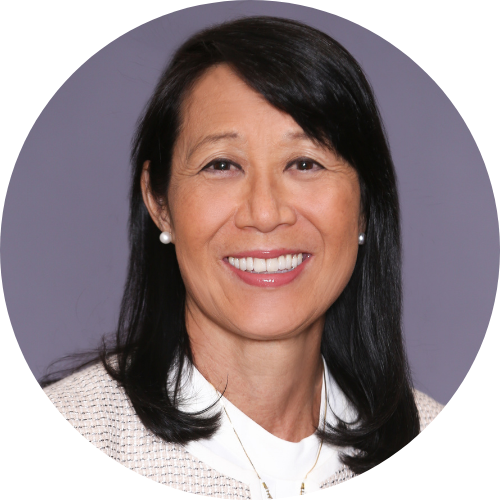
SCCM President Cherylee W.J. Chang, MD, FACP, FNCS, FCCM, reflects on what SCCM has accomplished in 2026.
As we approach Thanksgiving in the United States, I find myself reflecting on how fortunate I am to serve as president of the Society of Critical Care Medicine (SCCM). This experience has deepened my appreciation for the people, relationships, and shared commitment that make our Society what it is. While there is much to celebrate in what we have accomplished, I am especially grateful for those who make that progress possible.
First and foremost, I am grateful for the opportunity to work alongside such dedicated SCCM members, volunteers, leaders, and staff. Whether developing educational programs, advancing research, mentoring colleagues, or finding new ways to improve care, your commitment reflects what makes SCCM special: a community united by a desire to improve the lives of critically ill patients and their families.
I am also grateful for the relationships I have built with critical care leaders and colleagues around the world. Exchanging ideas with members of other intensive care and critical care societies has reinforced how much we can learn from one another. Although our healthcare systems and resources may differ, our commitment to patients and families connects us. These conversations continue to broaden my perspective and remind me of the value of collaboration across borders and disciplines.
This has also been a particularly meaningful year as SCCM looks toward its future. With Megan N. Schagrin, MBA, CAE, CFRE, AAiP, stepping into the role of CEO/EVP, we have an opportunity to build on our strong foundation while exploring new possibilities. Megan brings more than 25 years of leadership experience in healthcare association management, along with expertise in AI and a proven record of strengthening membership, governance, and partnerships.
I am especially grateful to work alongside Megan, Council, and our dedicated staff as we develop a new strategic plan to guide SCCM's future. Council and the entire SCCM team have navigated a world of significant, and at times daunting, change with agility. It is exciting to help shape this next chapter by building on the Society's strengths while exploring new ways to serve members and advance critical care.
Another source of gratitude is seeing the impact of SCCM's educational programs and partnerships around the world. Our Fundamentals programs continue to bring critical care education to healthcare professionals who may have limited access to specialized training.
With support from BD (Becton, Dickinson and Company), SCCM delivered 24 Fundamental Critical Care Support (FCCS) and specialty courses across 20 countries this year, reaching 542 clinicians. In October, SCCM also partnered with BD and Project HOPE to provide critical care and obstetric critical care training to 220 healthcare professionals from the Republic of North Macedonia and Kosovo.
I am equally encouraged by the completion of phase I of SCCM's Africa Infrastructure Relief and Support (AIRS) project, supported by Direct Relief. The initiative strengthened critical care capacity at three hospitals in Liberia, Sierra Leone, and The Gambia through improvements in medical oxygen, energy infrastructure, and workforce training. With new support from Takeda Pharmaceutical Company Limited, AIRS phase II will build on this progress through sustainable energy solutions and continued training.
What makes these accomplishments so rewarding is knowing their impact extends beyond the programs themselves. Clinicians bring new knowledge back to their teams and communities, while stronger hospital infrastructure helps ensure patients receive the care they need. These investments can make a difference for years to come.
As Select members, many of us have spent years contributing to critical care through clinical practice, education, research, mentorship, and leadership. We understand that real progress depends on people willing to share their expertise, invest in others, and work toward something greater than themselves. These accomplishments remind us of what our collective commitment can achieve.
During this season of gratitude, I thank each of you for the many ways you contribute to SCCM and our profession. I am grateful for the opportunity to serve alongside you and help guide the future of a Society that is dedicated to a mission that matters so deeply.
As we look toward 2027, I am excited about what lies ahead. Our greatest strength remains the dedication of this community. Together, we can continue building an organization that supports its members, advances critical care, and makes a lasting difference for patients and families around the world. Thank you for the privilege of serving this community.
Author
Cherylee W.J. Chang, MD, FACP, FNCS, FCCM
Cherylee W.J. Chang, MD, FACP, FNCS, FCCM, is division chief of neurocritical care and a professor of neurology, neurosurgery, and medicine at Duke University in Durham, North Carolina, USA. She is board certified in neurology, critical care medicine, and neurocritical care.