





Guidelines for the Allocation of Critical Care Resources to Adults During Crisis-Level Shortages
Citation: Nates JL, Sicoutris C, Jayaprakash, et al. Society of Critical Care Medicine guidelines for the allocation of critical care resources to adults during crisis-level shortages. Crit Care Med. 2026 Mar;54(3):p 619-629.
RATIONALE: Efficient distribution of scarce critical care resources is essential to save the most lives in times of crisis. Evidence-based practices and processes enhance clinical decision-making.
OBJECTIVES: The objective of these guidelines was to develop evidence-based, rather than expert-based, recommendations for triaging critically ill patients eligible for ICU admission during times of crisis-level shortages in ICU capacity.
DESIGN: The American College of Critical Care Medicine Board convened a 21-member multidisciplinary panel, comprising doctors in medicine, nursing, and law; advanced practice providers; respiratory therapists; ethicists; and patient/family representatives. The panel included two expert methodologists specialized in developing evidence-based recommendations in alignment with the Grading of Recommendations, Assessment, Development, and Evaluation (GRADE) methodology. Conflict-of-interest policies were strictly followed during all phases of guidelines development including task force selection and voting.
METHODS: The panel members identified and formulated five fundamentals Patient, Intervention, Comparator, and Outcomes questions. The panel conducted a systematic review for each question to identify the best available evidence, analyzed the evidence, and assessed the certainty of the evidence using the GRADE methodology. The GRADE evidence-to-decision framework was used to formulate the recommendations. Good practice statements were included to provide additional guidance.
RESULTS: The panel generated one conditional recommendation and five no recommendation statements.
CONCLUSIONS: Crisis-level shortages significantly disrupt patient care. Despite the role of triage in minimizing adverse outcomes, there is a lack of evidence, as opposed to expert opinion, to guide practice recommendations in the critical clinical scenarios considered by the panel.
Guideline Type: Clinical
Related Resources:
Executive Summary: Society of Critical Care Medicine Guidelines for the Allocation of Critical Care Resources to Adults During Crisis-Level Shortages
Section:
Identifier:
Strength:
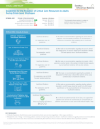
We make no recommendation regarding the use of clinician judgment over time-based prioritization for ICU admission in situations of limited ICU bed availability due to insufficient evidence.
We make no recommendation regarding the use of a formal triage tool vs. no use of a triage tool in situations of limited ICU bed capacity due to insufficient evidence.
We make no recommendation regarding the transfer of ICU patients to another facility in the setting of limited ICU bed capacity due to insufficient evidence with very low certainty.
Certainty of evidence: Very low
We make no recommendation regarding the availability of designated non-ICU areas to board ICU patients during surge conditions due to insufficient evidence.
We make no recommendation regarding whether patients boarded in non-ICU areas should be cared for by ICU trained practitioners vs. the usual practitioners for that area due to insufficient evidence.
In critical care patients at high risk of dying, we suggest that palliative care services be involved early as compared with no palliative care services or usual care to help reduce length of stay.
Certainty of evidence: Very low