Highlighting members, embracing the memory of Max Harry Weil, and exploring new offerings at the 2027 Critical Care Congress.
Each year, the Society of Critical Care Medicine’s (SCCM) Critical Care Congress is guided by a unifying theme. In 2026, in Chicago, our theme was “Celebration,” paired with the concept of “Reimagination.” It was a fitting reflection of the moment as we honored the close of a remarkable era while embracing a new chapter of opportunity, innovation, and transformation under the leadership of our new Chief Executive Officer/Executive Vice President, Megan Schagrin, MBA, CAE, CFRE, AAiP.
The San Diego Convention Center in San Diego, California, will host Congress from March 14–16, 2027. Rather than centering this year’s meeting on a single theme, we will honor the legacy of Max Harry Weil, SCCM’s first president from 1971–1972, on what would have been his 100th birthday. In keeping with Max’s vision of uniting education and scientific rigor with curiosity, exploration, and a commitment to advancing patient care, the Congress Program Planning Committee has developed an exceptional lineup of educational, scientific, and networking opportunities for attendees to explore.
Importantly, at a time when registration costs for many professional meetings continue to rise, SCCM has reduced Congress registration fees, making it easier for members to participate and benefit from the many new experiences and enhancements that honor Max’s spirit of innovation and inclusivity. As always, Congress will showcase the multiprofessional and multidisciplinary collaboration that defines SCCM by bringing together the diverse voices and expertise that drive excellence in critical care.
The Congress Program Planning Committee and Executive Committee partnered closely to shape the meeting. This collaboration reflects one of many positive developments taking place across the Society, along with enhanced communication and organizational changes that are strengthening alignment between the SCCM membership and leadership teams around our shared mission and goals.
While Congress will continue to feature the anticipated slate of Thought Leader and concurrent sessions, cutting-edge star research presentations, and interactive formats such as roundtable discussions, we are especially excited to reintroduce and reinvigorate SCCM section, knowledge education group (KEG), and committee meetings. In the wake of the SARS-CoV-2 pandemic, these key forums for professional engagement and collaboration transitioned to virtual platforms. Leaders of these groups now meet regularly with the new SCCM leadership team and, beginning September 1, 2026, were able to reserve a dedicated meeting space and time at the 2027 Congress. These in-person gatherings provide valuable opportunities for members to reconnect, collaborate, and help shape the future direction of the Society.
Congress is not only a time to review established knowledge, explore emerging science, and share new data through engaging educational experiences, but also an invaluable opportunity to connect with colleagues, build new relationships, foster camaraderie, and strengthen the sense of community that makes critical care so unique. For the 2027 Congress taking place in “America’s Finest City,” San Diego, these efforts include the debut of a first-ever SCCM Fun Room that will feature interactive, team-based activities, including a ping pong tournament. Attendees can also join their peers for ice cream at our Section Social Hours on March 15 and 16, designed to bring together colleagues who share similar professional interests in a fun and informal setting. In addition, we are bringing back a long-standing Congress favorite, the Welcome Reception, which is open to all attendees and offers another opportunity to reconnect with friends, meet new colleagues, and strengthen professional relationships across the critical care community
If this is your first SCCM Congress, make sure to attend our Break the Ice: First-time Congress Attendee gathering, designed to help you navigate the meeting and make the most of your Congress experience. Since March is a pivotal time in the academic year for career transitions and professional growth, we encourage all attendees to take advantage of our second-ever Career Fair, which is open to all attendees and offers valuable opportunities to explore new career paths.
Some elements of Congress have shifted for the better. Convocation, which recognizes new Masters and Fellows of the American College of Critical Care Medicine and bestows a variety of coveted awards, will return as an unopposed session. Members will no longer need to choose between Convocation and so many other interesting educational sessions.
Precourses and workshops offer a range of immersive learning opportunities before and during Congress. These include the new Ultrasound-Guided Procedures for the Critically Ill Workshop, along with courses in airway management, critical care ultrasound, and mastering difficult conversations. Participants can take a deep dive into the management of refractory shock or explore the safe and practical integration of generative AI into critical care practice. In partnership with the Extracorporeal Lung Support Organization, SCCM will also offer a two-day extracorporeal membrane oxygenation simulation course. Those with an eye toward the future will not want to miss the 2027 Critical Care Innovation Incubator, where clinicians, researchers, industry leaders, entrepreneurs, and investors come together to exchange ideas, explore emerging technologies, develop new partnerships, and advance innovative solutions for the critically ill and injured.
The Opening Session will celebrate the Society’s accomplishments over the past year, highlight exciting new initiatives on the horizon, and welcome our incoming President, Amy Dzierba, PharmD, BCCCP, FCCP, FCCM. We will also recognize several distinguished SCCM honorees, including our adult and pediatric ICU Heroes and the recipient of the Lifetime Achievement Award.
Throughout Congress, several sections will present their popular Year-in-Review sessions, offering concise summaries of the most influential publications and advances affecting the diagnosis, management, and outcomes of critically ill and injured patients. These sessions consistently rank among the most highly attended and anticipated educational offerings at Congress.
As an international meeting, Congress offers a host of events including sessions and roundtable discussions where ideas, experiences, and your vision may be shared with global colleagues.
With so much to experience at Congress, I encourage you to make time to visit Connections Central, where you can explore the latest industry innovations, technologies, and solutions that may enhance care for your patients and their families. Select members are also invited to stop by the Select Member Lounge to network with colleagues, enjoy refreshments, and connect with fellow members in a relaxed setting.
As you move throughout Congress, you will encounter many of our dedicated SCCM staff partners who are easily identified by their SCCM attire and name badges. Their hard work, professionalism, and commitment are essential to the success of this meeting. Please do not hesitate to ask for assistance when needed, and when you have the opportunity, join me in thanking them for all they do. I am profoundly grateful for their efforts in bringing the vision of the Congress Program Planning Committee to life.
It has been a tremendous privilege to serve as your president thus far. I look forward to seeing you at Congress, celebrating all that we have accomplished together, and introducing you to your next president during the Opening Session as SCCM continues its mission of improving outcomes for critically ill and injured patients worldwide.
Author
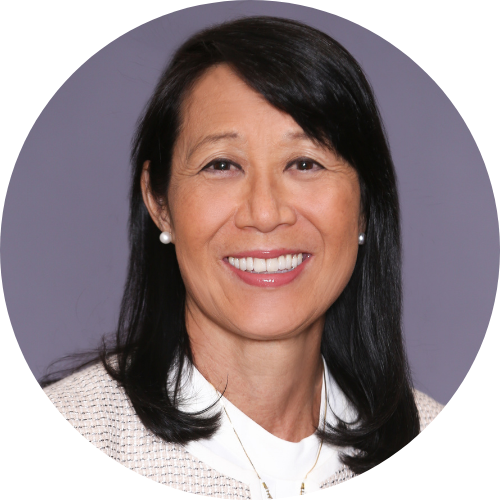
Cherylee W.J. Chang, MD, FACP, FNCS, FCCM
Cherylee W.J. Chang, MD, FACP, FNCS, FCCM, is division chief of neurocritical care and a professor of neurology, neurosurgery, and medicine at Duke University in Durham, North Carolina, USA. She is board certified in neurology, critical care medicine, and neurocritical care.